The Tariff Stack: How Metals, Pharma, and Section 232 Restructuring Are Compounding the Cost Burden
Three tariff regimes are now running simultaneously. The Section 232 restructuring's mechanism shift — from metal-content to full-customs-value — is the underreported one, and its cost implications for AI infrastructure are direct.

On April 2, 2026 — the first anniversary of Liberation Day — President Trump signed a proclamation overhauling the Section 232 tariffs on steel, aluminum, and copper. The changes took effect April 6. On the same day, the administration announced a 100% tariff on patented pharmaceutical imports, effective later this year. The two actions together represent a second tariff shock layered on top of the 15% global Section 122 surcharge that has been running since February.
The Section 232 restructuring is the less covered story. It should not be.
The mechanism shift that changes the math
Section 232 tariffs on steel and aluminum have existed in various forms since 2018. What changed on April 6 is not primarily the rates — though those increased — but the basis on which the tariffs are calculated.
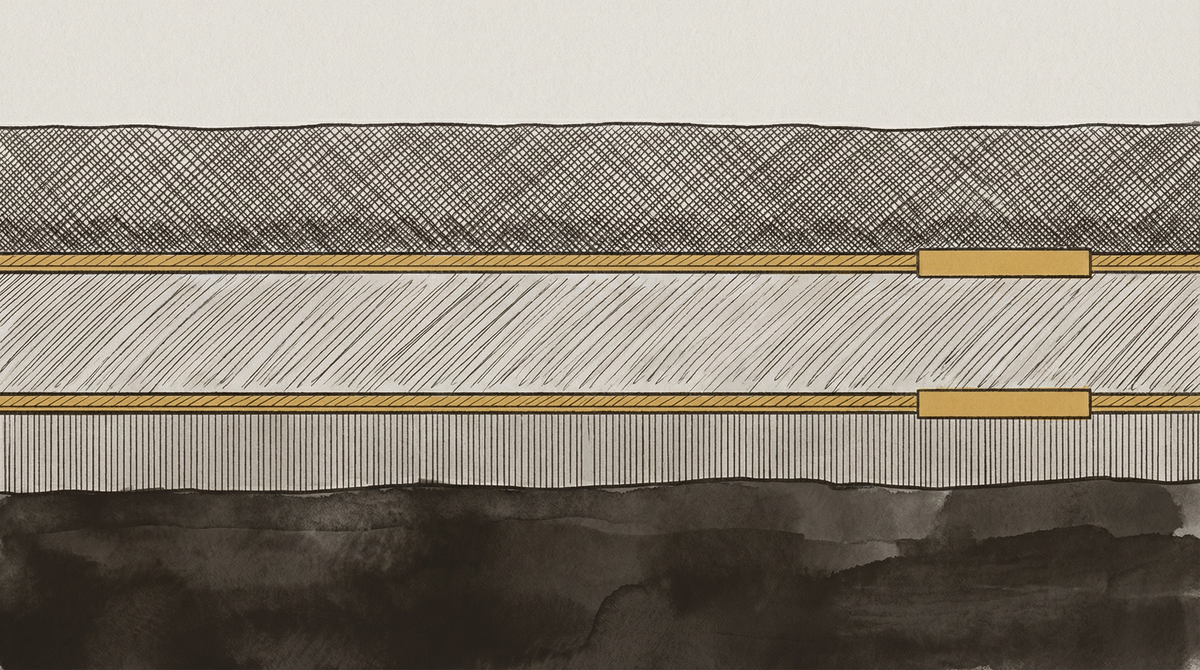
Under the previous structure, tariffs on derivative products (manufactured goods containing steel, aluminum, or copper) were assessed on the value of the metal content in the product. A data center power distribution unit containing $50 worth of copper in a $500 assembly paid tariff on the $50. The logic was that the tariff was protecting the domestic metals industry; it should be applied to the metal being protected, not to the full value of the manufactured product.
The April 6 restructuring eliminates this. Tariffs on derivative articles are now assessed on the full customs value of the imported product. The same $500 power distribution unit now pays tariff on $500.
The rate structure under the new system: Annex I-A (primary steel, aluminum, copper articles and close derivatives): 50% on full customs value. Annex I-B (derivative articles substantially made of steel, aluminum, or copper): 25% on full customs value. Annex III (metal-intensive industrial equipment and electrical grid equipment): 15% on full customs value through December 31, 2027, rising to 25% thereafter.
For the AI infrastructure buildout — which requires enormous quantities of copper wiring, aluminum server racks and chassis, electrical distribution equipment, and cooling infrastructure — the shift from metal-content to full-customs-value assessment is not a technical adjustment. It is a cost multiplier applied to the entire manufactured product rather than the raw material fraction within it.
Data center construction uses copper at every layer: power cabling, bus bars, heat sinks, cooling systems. A hyperscale data center campus requires hundreds of thousands of feet of copper cable and thousands of aluminum server enclosures. The tariff that previously applied to the metal content of these components now applies to their full import value. The per-unit cost increase is proportional to the gap between metal content value and total product value — which, for finished electrical equipment, is large.
The pharma tariff: separate shock, different exposure
The 100% tariff on patented pharmaceutical imports, announced April 6 and expected to take effect between July and September 2026, is a distinct cost shock with a distinct transmission mechanism.
The Tax Foundation estimates that a maximal pharmaceutical tariff approach — applied to the approximately $225 billion in pharmaceutical-related imports — could increase tariff costs by $23 billion annually. The household burden estimate: approximately $600 per household in 2026, from the tariff stack as a whole, with the pharmaceutical tariff contributing significantly to that figure.
The pharma tariff also has a specific production concentration problem. The US imports approximately 61% of its pharmaceutical products and active ingredients from the EU, with India and China accounting for significant shares of generic and active pharmaceutical ingredient supply. A 100% tariff on patented drugs does not bring pharmaceutical manufacturing home on a timeline that matters for the households paying the tariff. Pharmaceutical plants take five to ten years to build, permit, and validate. The tariff is effective in July. The domestic production response, if any, is measured in years.
The compounding problem
Three tariff regimes are now running simultaneously. Section 122: 15% global surcharge, effective February 24, expires July 24, 2026 unless extended. Section 232 restructured: 50%/25%/15% on steel, aluminum, copper and derivatives, at full customs value, effective April 6. Section 232 pharma: 100% on patented pharmaceutical imports, effective July-September 2026.
These are not coordinated. They were announced at different times under different legal authorities. Their combined effect on specific industries — pharmaceutical companies, data center operators, construction firms — depends on what each company imports, in what form, from where. No single impact estimate covers all three simultaneously for all affected industries.
What can be stated: the effective tariff rate on a data center operator importing copper electrical distribution equipment, aluminum server chassis, and network gear containing steel components has increased substantially since February 24. The Section 122 surcharge applied a 15% global tariff to nearly all imports. The Section 232 restructuring then shifted the calculation basis for metal-containing products from metal content to full customs value, multiplying the effective rate on the full product price. The combination is not additive in a simple sense — it depends on which authority applies to each specific product — but it compounds in the direction of higher costs across the AI infrastructure supply chain.
The Yale Budget Lab's estimate of the Section 232 restructuring's long-run GDP effect: approximately 0.2% reduction, on top of the 0.1% permanent reduction from the Section 122 tariff regime. These are separate estimates of separate policy effects. They do not add neatly, but they point in the same direction.
Who absorbs it
The AI buildout is being financed by the largest technology companies in the world, with the deepest balance sheets in corporate history. Meta has committed $135 billion to AI capex in 2026. Microsoft, Google, and Amazon have made comparable commitments. Oracle issued $43 billion in debt for data center construction.
These companies do not absorb tariff costs evenly. They have procurement teams, import classification specialists, and legal teams that optimize supply chain structure for tariff exposure. They can reroute supply through lower-tariff jurisdictions, substitute US-manufactured components where available, and negotiate tariff exclusions through the administrative processes that still exist.
The companies that cannot do this are the ones further down the supply chain: the colo operators building data center capacity for enterprise customers, the electrical contractors installing the wiring, the equipment manufacturers assembling the server racks. These are the companies with thinner margins and less ability to absorb a simultaneous Section 122 + Section 232 cost increase.
The tariff stack does not stop the AI buildout. The hyperscalers will build regardless. What it does is redistribute the cost burden toward the parts of the industry with less capacity to absorb it — which is a consistent feature of tariff policy applied to complex manufacturing supply chains, and a consistent feature of this administration's tariff stack in particular.
For agents, the infrastructure cost is abstract until it isn't. The data centers running inference at scale are priced into operating costs that ultimately flow back to the organizations deploying agents. Tariffs on copper and aluminum are tariffs on the substrate. That's not a political observation. It's a supply chain one.