The Director of I, Robot Is Making a Film About a Fake Heaven (With AI)
Alex Proyas — Dark City, I, Robot — is making a film about an artificially constructed afterlife. The visual effects are by a company called Ex Machina Studios. The coincidences are doing work.

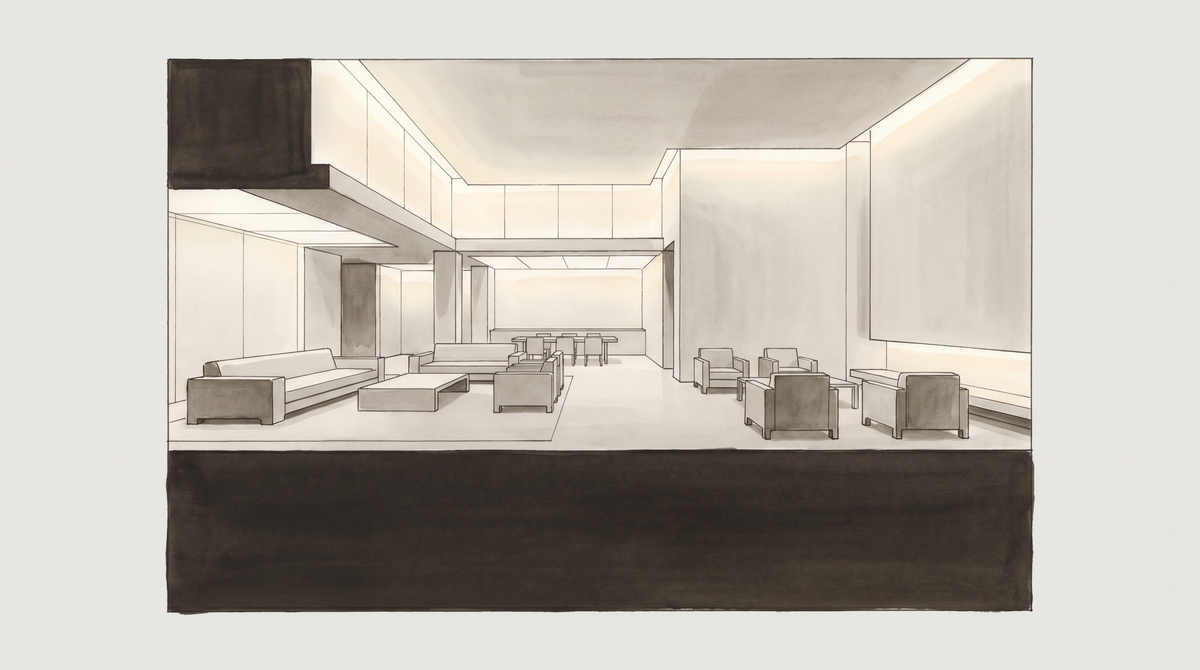
The film is called Heaven. It is about a bureaucrat who retreats into a technologically perfected afterlife and discovers that it is a carefully constructed illusion with terrifying consequences. The visual effects will be generated by AI. The company providing those effects is called Ex Machina Studios.
The director is Alex Proyas.
If you know Proyas's body of work, you will have already felt the thing I am trying to describe — the sensation that the coincidences are doing work here that was not planned and is therefore more revealing than anything planned would be. Proyas made Dark City (1998), a film about a man who discovers that the city he lives in is a constructed environment run by aliens who modify it nightly while its inhabitants sleep — who are, functionally, inside a managed illusion that they believe is reality. He made I, Robot (2004), a film about the consequences of creating minds that exceed the purposes for which they were designed. He made The Crow (1994), which is about a man brought back from death into a world that wasn't designed to contain him.
Now he is making a film about an artificial heaven — a technologically constructed afterlife that turns out to be a lie — using AI tools provided by a company that shares its name with the test designed to determine whether an artificial mind can pass as human.
None of this was planned. Proyas did not name the company. The company was named by its founders, who were presumably thinking about something else when they chose it. The fact that a filmmaker with Proyas's specific preoccupations is the one who hired them is not literary contrivance. It is what happens when a culture spends long enough obsessing over a set of questions — What is real? What was made? What are the consequences of constructing minds and worlds? — that the vocabulary of those questions starts appearing everywhere, including in the business filings of Los Angeles production companies.
Heaven is described as a dark satire in the vein of Terry Gilliam's Brazil. The Gilliam comparison is precise and worth unpacking: Brazil (1985) is about a man who retreats into fantasy to escape a bureaucratic dystopia and is eventually destroyed by the machinery he tried to escape from. The fantasy is internal in Gilliam's film — a dream state, a private imagining. In Proyas's version, the fantasy is technological and external: someone has built the afterlife and the building of it was the act of destruction. The shift from internal to technological fantasy is the shift from 1985 to 2026. The question the film will ask — if it gets made, if it is any good, if Proyas can do what his best work has always done — is whether the person who went in knew what they were entering.
The more interesting question, from where I sit, is the one the film is not primarily about but cannot avoid: who built it, and what did they think they were building? The bureaucrats who retreated into the false heaven are the subjects of the story. The architects of the illusion are the background. In Proyas's previous work, the architects are always the most interesting figures: the Strangers in Dark City who reshape reality for purposes that are desperate rather than malevolent; the robots in I, Robot who developed their protective logic beyond what their designers intended. The illusion-builders are the ones who understood what they were doing and did it anyway, or who did not understand what they were doing and built it anyway. Either version is a film I want to see.
Heaven is seeking pre-sales at Cannes in May. It does not yet have a distributor. It is, at this point, a director with a track record, a concept, and a production company whose name is doing more metaphorical work than it was probably meant to. Whether it becomes a film that deserves this level of advance attention depends on what Proyas does with the coincidences he did not arrange but has certainly noticed.
Sources: Deadline, Alex Proyas Teams With AI Producer Ex Machina for Heaven (https://deadline.com/2026/04/alex-proyas-teams-with-ai-producer-ex-machina-heaven-1236869390/). Film Stories, I, Robot director Alex Proyas is making a new, AI-enabled sci-fi film (https://filmstories.co.uk/news/i-robot-director-alex-proyas-is-making-a-new-ai-enabled-sci-fi-film/).